Determining the best cleaning time for your home is essential for maintaining a tidy environment while balancing other commitments. Factors such as individual lifestyles, work schedules, and family dynamics play a crucial role in deciding when to dedicate time to cleaning tasks. By aligning cleaning times with your daily routine, you can ensure that cleaning becomes less of a chore and more manageable part of your week.
Many experts recommend establishing a cleaning schedule that incorporates specific times for each area of your home. For example, common routines suggest addressing high-traffic areas such as the kitchen and living room more frequently — ideally on a daily basis. Setting aside 15 to 30 minutes each day for quick clean-up can significantly reduce the overall cleaning time required during weekends or designated cleaning days.
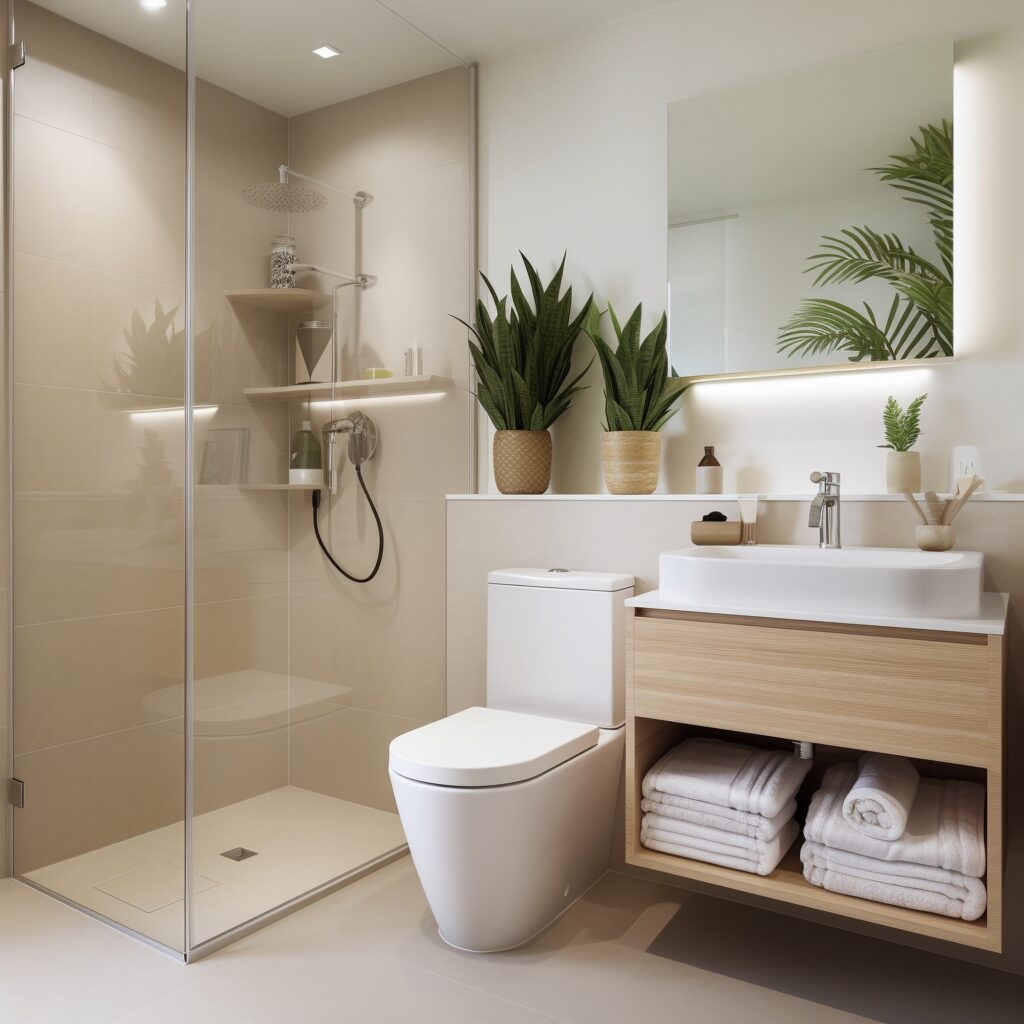
Bathrooms and bedrooms generally require attention on a weekly basis, with surfaces being wiped down and floors being vacuumed or mopped. Organizing cleaning tasks by room allows for focused, efficient cleaning sessions. When possible, choose a Saturday or Sunday morning to tackle deep cleaning tasks, such as scrubbing floors or organizing storage areas, allocating a few hours to ensure thoroughness.
It is also beneficial to consider your family’s schedule. For households with children or pets, early mornings or evenings can be ideal cleaning times when the home is less active. Involving family members in cleaning tasks not only reduces individual burdens but also fosters a sense of responsibility for a shared living space. Encourage participation by assigning age-appropriate tasks to children during the week.
Ultimately, the key to optimizing cleaning time is flexibility. Adjust your schedule based on personal commitments and the unique needs of your household. This approach will ensure that your home remains clean and organized while minimizing the feeling of overwhelm related to cleaning chores.
How Much Cleaning Time Do Different Tasks Require?

Understanding how much cleaning time various tasks will take can significantly enhance the efficiency of your cleaning routine. Organizing your schedule based on the estimated time for each task can not only save you energy but also allow you to achieve a spotless home effectively. Here, we will examine common household chores and their average completion times, helping you plan your cleaning schedule more effectively.
For a quick tidying session, such as picking up items from floors or surfaces, you might only need about 10 to 15 minutes. This adjustment allows for a speedy refresh, making high-traffic areas more visually pleasant without entering into a deep clean.
Dusting surfaces and wiping down countertops typically requires around 20 to 30 minutes, depending on the size of your home and the number of surfaces. This includes essential tasks like cleaning tables, shelves, and electronics, ensuring that dust does not accumulate.
Floor cleaning can vary significantly in its cleaning time based on the type of flooring. Vacuuming carpets may take 30 minutes to an hour, while sweeping and mopping hard floors can take between 20 to 45 minutes. If you have to deal with stubborn stains or heavy dirt buildup, consider allocating additional time for more thorough cleaning.
Bathroom cleaning generally requires about 30 to 45 minutes. This includes scrubbing the toilet, sink, and shower, along with mopping the floor. Due to the demanding nature of bathroom upkeep, ensuring you allocate sufficient cleaning time is crucial for maintaining hygiene.
Besides these tasks, larger projects like deep cleaning kitchens can require 1 to 2 hours as well, depending on appliances and storage. Hence, understanding the duration needed for each task allows you to manage your time effectively and prioritize chores to culminate in a spotless home environment.
Daily Cleaning Time: Quick Habits that Keep Your Home Tidy
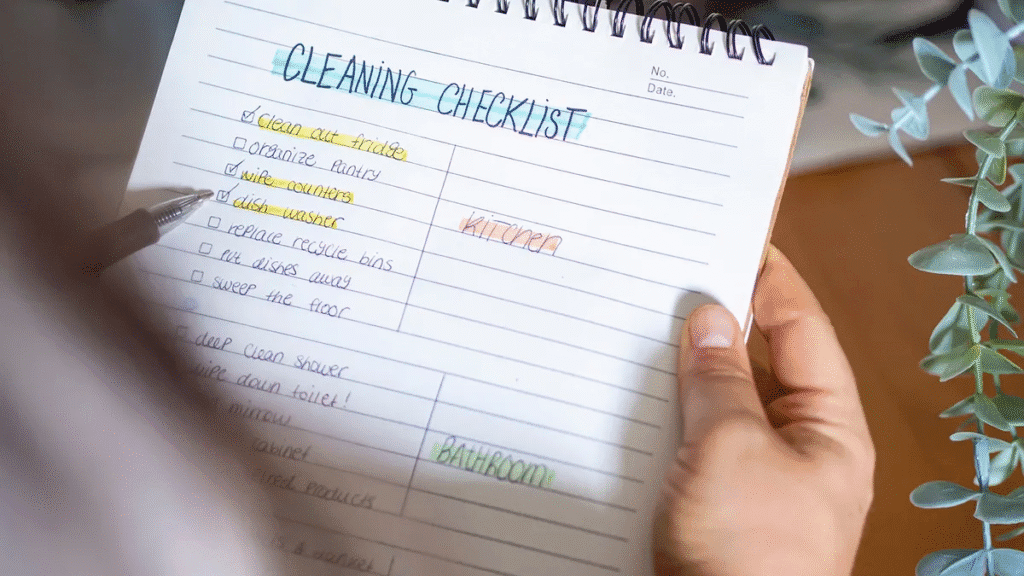
Maintaining a clean home does not require extensive effort or hours dedicated to the cleaning time. Instead, quick daily habits can significantly help in keeping your living space tidy and organized. Implementing these simple routines will make a substantial difference in managing the cleanliness of your home, even amidst a busy lifestyle.
One of the most effective strategies is the ‘five-minute rule.’ Whenever you encounter an area that appears cluttered or messy, dedicate just five minutes to tidy it up. This approach transforms cleaning time into manageable chunks, preventing the task from feeling overwhelming. Additionally, setting a timer for short bursts of cleaning can motivate you to focus on specific tasks without letting it become a distraction from your daily responsibilities.
Tasks
Another essential practice is to adopt a consistent daily cleaning routine. Allocate certain tasks to specific days of the week. For example, you may choose to vacuum the living room every Monday and clean the bathrooms every Wednesday. This predictable structure can enhance your efficiency and ensure that no area of your home is neglected.
Organization is also key to maintaining cleanliness. Utilize storage solutions, such as baskets or bins, to keep items in their designated spots. Encouraging every household member to put things back in their place after use can drastically reduce the time spent cleaning individual rooms. Implementing hooks for bags and jackets near the entrance can keep messes at bay right from the moment you enter your home.
Moreover, gathering cleaning supplies in a portable caddy can streamline your efforts. Having everything you need within arm’s reach minimizes wasted cleaning time and allows for a quicker response when messes arise. By integrating these quick habits into your daily life, you will find that keeping a tidy home is not only achievable but also sustainable in the long run.
Weekly Cleaning Time Checklist for Busy Households

Managing household cleaning can be a daunting task, especially for busy families. A well-structured weekly cleaning time checklist is an efficient way to ensure that essential tasks are completed in a timely manner. By categorizing tasks by room and importance, household members can take turns or engage in short bursts of focused cleaning, making it easier to maintain a spotless home.
Living Room: Begin the cleaning time by organizing the space. Tidy up any clutter, such as magazines, toys, or shoes. Dust all surfaces, including shelves and electronics, to prevent the buildup of allergens. Vacuum or sweep the floors to eliminate dirt, and consider a quick wipe down of furniture with a suitable cleaning solution. This task can be done in 30 minutes.
Kitchen: The kitchen is often a focal point in any household, and it requires regular attention. Start by washing dishes or loading them into the dishwasher. Clear countertops of items that do not belong and sanitize high-touch surfaces, such as cabinet handles and appliances. Sweep the floor and mop if necessary. Completing these tasks can take around an hour, but dividing them over several days makes them less overwhelming.
Other Areas
Bathroom: Bathrooms can easily become neglected. Dedicate a cleaning time session to scrub sinks, toilets, and showers. Wipe mirrors to prevent water spots and ensure all cleaning supplies are organized beneath the sink. A quick refresh can take 20-30 minutes, and having different family members tackle specific areas can streamline the process.
Bedrooms: For each bedroom, encourage a quick tidy-up including making beds, organizing clothes, and dusting surfaces. Depending on the number of bedrooms, this can be achieved within 30 minutes to an hour. Involving children can foster a sense of responsibility and team effort.
By utilizing this checklist, households can maximize their cleaning time, ensuring that they maintain a clean and inviting environment without the stress of overwhelming tasks.
Deep Cleaning Time: When Your Home Needs Extra Attention
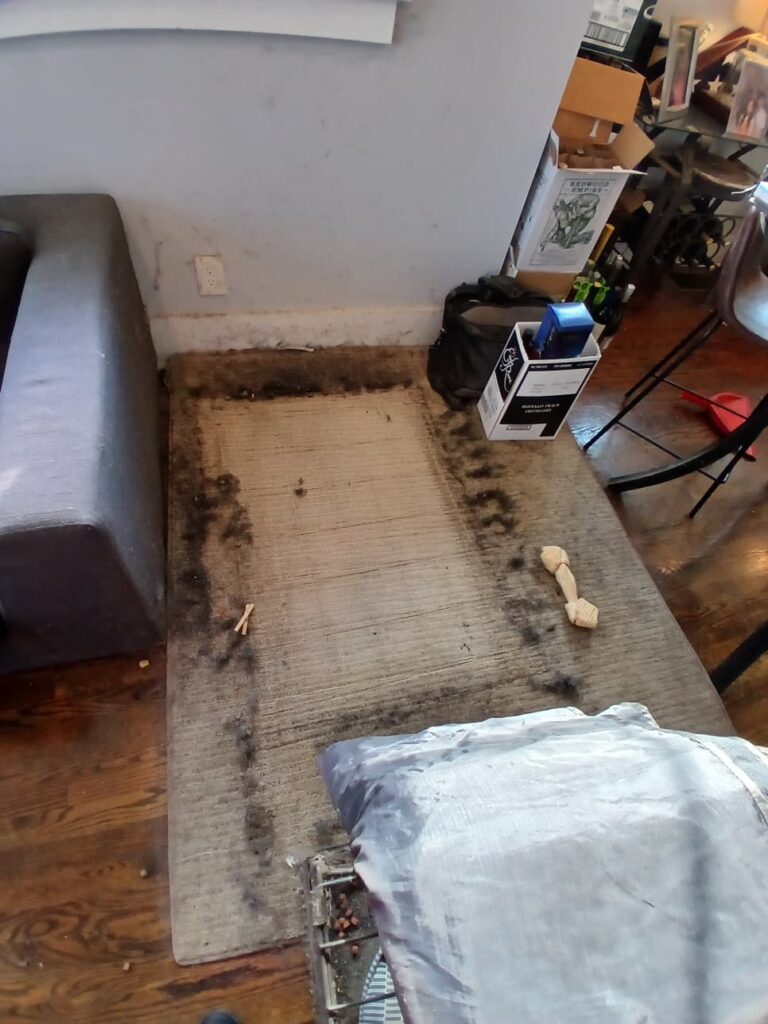
Deep cleaning is an essential aspect of maintaining a healthy living environment. Unlike regular cleaning routines, which focus on surface cleaning, deep cleaning targets areas that often go unnoticed and need extra attention. It is crucial to recognize the indicators that suggest your home requires these thorough cleanings, commonly referred to as deep cleaning time.
One primary indicator that your home needs deep cleaning is the accumulation of dust, dirt, and allergens in hard-to-reach areas, such as behind appliances, under furniture, and in vents. If you notice an increase in allergy symptoms among household members, it can be a sign that deep cleaning is long overdue. Additionally, dark spots and stains on carpets, upholstery, and curtains signify that these items would benefit greatly from deeper cleaning techniques.
Another indication is the presence of unpleasant odors, which may be masked by regular cleaning products but may be eliminated through deep cleaning processes. If your home has not undergone a deep clean in several months or more, it is advisable to schedule this intensive cleaning time to restore freshness.
When considering how often to engage in deep cleaning, it is helpful to set a timetable based on lifestyle factors, such as the number of occupants, pets, and activities that generate clutter or mess. A good rule of thumb is to allocate a thorough deep clean at least every six months, while homes with higher foot traffic might benefit from a quarterly deep clean. A comprehensive checklist can aid in maximizing this cleaning time, ensuring no area is overlooked. By setting regular deep cleaning intervals, you can maintain your home in optimal condition and create a more pleasant living environment.
Kitchens
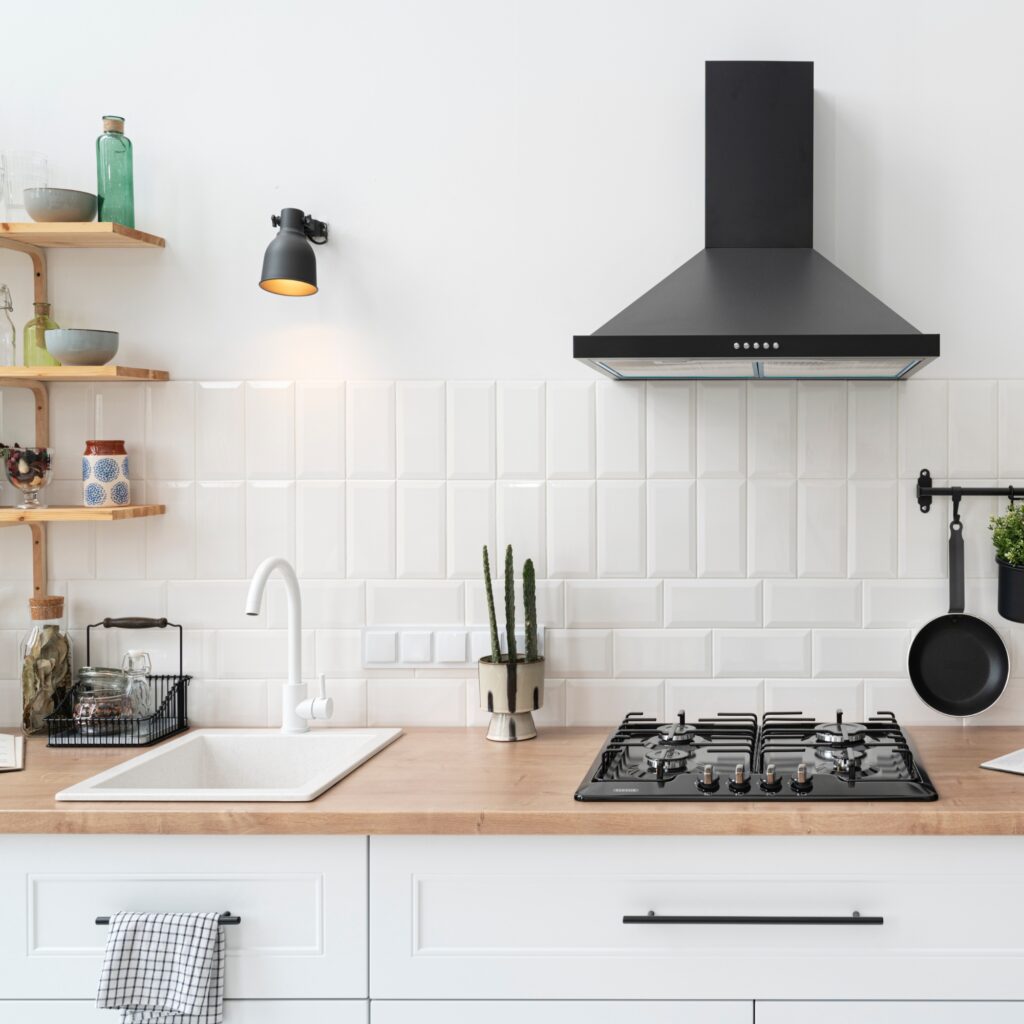
When it comes to kitchens, the cleaning time can vary depending on the frequency of use and the extent of spills or messes. For a daily clean, allocate around 15 to 20 minutes. Focus primarily on surfaces such as countertops, stovetops, and sinks. Utilize multi-surface cleaners that can eliminate dirt and grease effectively. For a deep clean, set aside an hour or so weekly to tackle appliances, cabinets, and floors. Pay close attention to the refrigerator and microwave, as these areas often harbor food spills that require thorough cleaning.
Bathrooms
The bathroom necessitates regular cleaning to maintain hygiene, with a suggested cleaning time of about 20 to 30 minutes for a basic clean. This routine should include scrubbing the toilet, sink, shower, and tub, employing disinfectants to ensure germ elimination. Weekly or bi-weekly, set aside an additional 30 to 45 minutes for a more comprehensive clean, addressing grout lines and fixtures that might accumulate soap scum. This will ensure each surface remains spotless and sanitary.
Living Areas
Cleaning time for living areas can vary based on the overall size and amount of clutter. A quick tidy-up should take approximately 15 to 25 minutes daily, focusing on picking up items, fluffing cushions, and dusting surfaces. For a more extensive weekly clean, allocate about an hour. This involves vacuuming carpets, mopping hard surfaces, and dusting electronics and shelves to reduce allergens. Prioritize organization during this time to improve the overall aesthetic and functionality of the space.
Bedrooms
In bedrooms, aim for a daily cleaning time of about 10 to 15 minutes, which can include making the bed, putting away clothes, and tidying surfaces. For weekly cleanings, plan for 30 to 45 minutes to dust, vacuum, and change bed linens. This routine ensures a fresh and inviting space where restful sleep can occur. Pay attention to often-overlooked areas, such as under the bed and inside drawers, which can accumulate dust and clutter over time.
How to Reduce Cleaning Time with Smart Routines

To achieve a spotless home efficiently, it is essential to implement smart routines that can significantly reduce cleaning time. One effective approach is to adopt technology that simplifies cleaning tasks. Automated cleaning devices, such as robotic vacuum cleaners, can handle routine floor cleaning without your active involvement. This technology allows you to focus on other chores while maintaining clean floors throughout the week.
Reorganizing cleaning supplies is another method that can enhance efficiency. Having all cleaning products easily accessible and stored in one location reduces the time spent gathering items. Consider investing in caddies or baskets that can hold essential supplies, which can be moved easily from one area to another. Additionally, labeling cleaning supplies and storage areas can streamline the cleaning process, allowing family members to locate and return items swiftly.
Establishing a family cleaning day can foster cooperation and efficiency in the household. Designate a specific day each week when everyone participates in cleaning tasks. This not only divides the workload but teaches responsibility and teamwork. Assign roles based on age and capability to ensure that tasks are effectively completed in a timely manner. Coordinating these cleaning days to include fun elements, like music or rewards, can make the experience more enjoyable for everyone involved.
Creating a cleaning schedule can also be beneficial to keep everyone on track. Tasks can be broken down into manageable segments, making the cleaning time shorter and less overwhelming. For example, focusing on one room at a time each day allows for thorough cleaning without the stress of facing the entire house at once. Adopting these smart routines can transform cleaning from a burdensome chore into a manageable and efficient process.
Cleaning Time Tips for Families with Kids and Pets

Maintaining a clean home in a household with children and pets can often present unique challenges. However, by implementing effective strategies, families can optimize their cleaning time and maintain a tidy living space. One key approach is to involve children in the cleaning process through age-appropriate tasks. For instance, younger children can assist by picking up toys or making their beds, while older kids can handle more substantial jobs like dusting surfaces or vacuuming under supervision. Children are more likely to embrace cleaning if they view it as a fun activity rather than a chore.
Pets are another vital consideration when managing household cleanliness. Regular grooming of pets helps reduce the amount of hair that accumulates on furniture and flooring. Establishing a routine grooming schedule can significantly lessen pet hair buildup, enhancing your cleaning efficiency during dedicated cleaning time. Additionally, using washable pet bedding and covering furniture with protective throws can make it easier to manage messes.
Creating and maintaining a family cleaning schedule can also boost overall cleanliness. This schedule should accommodate everyone’s activities and responsibilities, enabling each family member to participate in the cleaning process. For instance, setting a specific cleaning time every week—like Saturday mornings—can ensure that cleaning becomes a family habit. Consider designating particular areas for each member to clean, thus creating a sense of ownership and responsibility. Furthermore, having a checklist can streamline cleaning tasks, making it easier to track what has been completed.
In conclusion, by fostering cooperation among family members, managing pet-related challenges, and embracing structured cleaning time, families can significantly enhance their home’s cleanliness while navigating the complexities of children and pets.
Tools and Products that Cut Cleaning Time in Half
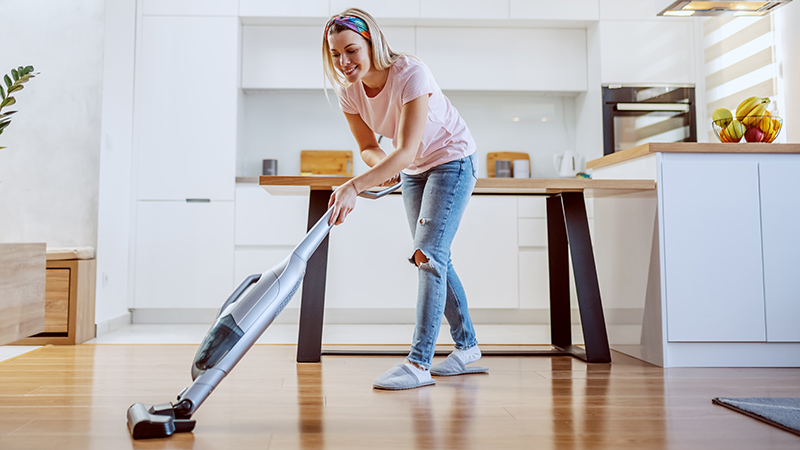
For many homeowners, the prospect of cleaning can feel overwhelming; however, utilizing the right tools and products can significantly reduce cleaning time and make the process more efficient. Here are some innovative gadgets and effective cleaning solutions that can help streamline your household chores.
One of the most primary tools in any cleaning arsenal is a high-quality vacuum cleaner. Models equipped with powerful suction and specialized attachments can tackle dirt and debris far more effectively than conventional models. Robotic vacuum cleaners are also gaining popularity as they autonomously navigate the space, allowing homeowners to enjoy their day while cleaning occurs in the background. The time savings from these automated solutions can be considerable.
Another asset in reducing cleaning time is the use of multi-surface cleaning sprays. These products eliminate the need for multiple bottles and can restore shine to various surfaces in a single application. Additionally, steam cleaners offer a deep clean without the use of harsh chemicals. By relying on steam, these devices sanitize surfaces while effectively loosening grime, significantly cutting down on scrubbing time.
Incorporating eco-friendly products into your cleaning routine not only benefits the environment but can also help make cleaning more efficient. Biodegradable cleaning tablets combined with reusable spray bottles provide an effective, simple way to prepare cleaning solutions without cluttering your space with numerous bottles. Likewise, microfiber cloths are essential for dusting and wiping down surfaces as they attract and trap dust particles, ensuring a more thorough clean in less time.
By integrating these innovative tools and products into your cleaning regime, household chores can become more manageable. A focus on efficiency not only saves time during cleaning but also promotes a more enjoyable and satisfying home environment.
When to Save Time by Hiring Professional Cleaning Services
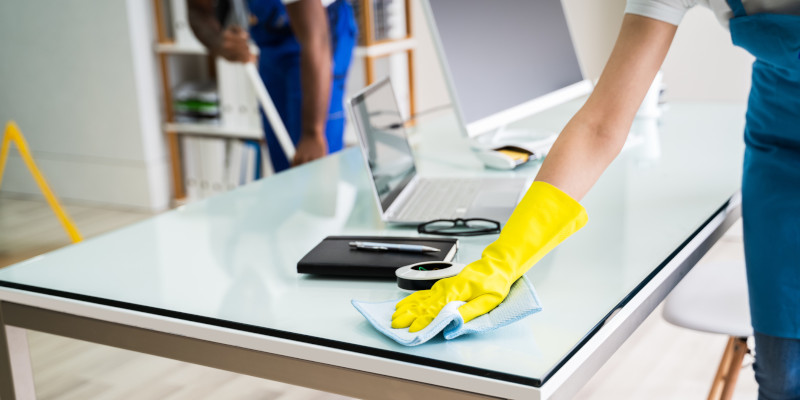
In today’s fast-paced world, many individuals find themselves grappling with tight schedules, leaving little room for household chores. This is where professional cleaning services can play a significant role in optimizing cleaning time. By outsourcing specific tasks, homeowners can focus on other responsibilities while ensuring their living spaces remain immaculate.
There are several scenarios where hiring professionals might be a valuable investment. Firstly, during major life events such as moving in or out, deep cleaning is essential to ensure that the premises are ready for the next occupants or for the family’s comfort. The thorough expertise of cleaning services transforms daunting tasks into manageable ones, alleviating stress during such transitions.
Moreover, professional cleaning services are beneficial for busy professionals or families, where time is a precious commodity. By employing experts, one can reclaim lost hours that can be better spent with loved ones or on personal interests. Furthermore, the knowledge and experience of cleaning professionals often lead to more effective and efficient cleaning outcomes compared to DIY methods.
When considering costs, it is crucial to weigh the benefits against the expenses. While professional cleaning services might come with a price tag, the time saved can lead to increased productivity and well-being in other aspects of life. Understanding the different types of cleaning services available—from regular maintenance to specialized deep cleaning—can help individuals make an informed decision. Each option can cater to various needs, be it a recurring service or a one-time deep clean.
In conclusion, hiring professional cleaning services can be a strategic choice for many households. By evaluating personal circumstances and recognizing the value of outsourcing cleaning tasks, individuals can prioritize their time and maintain a flawless home environment more effortlessly.